September 4, 2026 – Daily Devotional
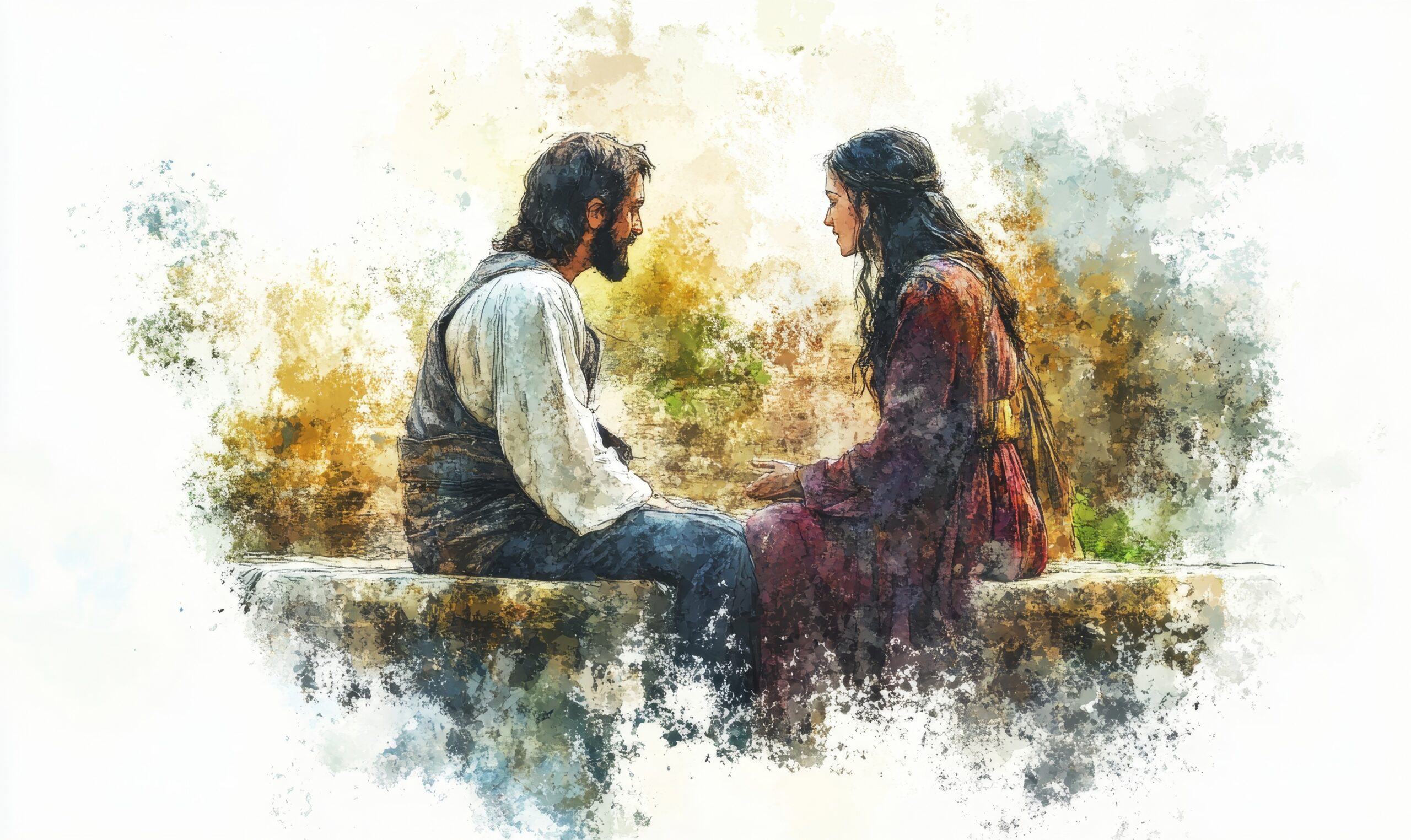
Few conversations in the Gospels are more interesting than the one between Jesus and the Syrophoenician woman. (Mark 7:24-30) In this conversation, there are theological arguments, cultural struggles, and name-calling. It would even seem that the Syrophoenician woman wins the argument against Jesus.
The seventh chapter of Mark begins with several religious leaders from Jerusalem eating with Jesus and his disciples. The religious leaders have traveled to meet with Jesus in the area known as Galilee. Galilee is where Jesus does much of his ministry. There they have an argument about what is clean and unclean, because it seems that some of Jesus’ disciples did not wash their hands, according to the “tradition of the elders.” Jesus strongly teaches that, “There is nothing outside a person that by going in can defile, but that the things that come out are what defile.” This conversation was about dietary restrictions found in the Levitical law. However, it was to teach that God was most concerned about what’s in our hearts and not in our stomachs.
After this scene is finished, Jesus leaves for the region of Tire. This area is quite different from Galilee. Tyre is a region that is antagonistic to the people of Israel. In this Gentile area, Jesus encounters the Syrophoenician woman. She seeks out Jesus to ask him to heal her daughter. It seems her daughter is possessed by a demon. When she finds Jesus, he suggests his presence is more for the people of Israel than the Gentile people. She is relentless and counters every one of Jesus’ arguments.
This encounter ends with Jesus expelling the demon and healing her daughter. However, the healing is not what Jesus is teaching those around him. The first six chapters of Mark show Jesus’ teaching, preaching, healing, and ministering only to the people of Israel. In Chapter seven, Jesus begins to care for those beyond the Jewish community.
Jesus and the Syrophoenician woman were two very different people. They were from different places; they had different cultures; they looked down on each other’s ethnicity, yet they were able to connect, have a conversation, and work for the good of another. This story shows the strength of a mother who was willing to go beyond what was acceptable to heal her daughter. Her encounter with Jesus made this healing possible. They both placed mercy ahead of their differences.
We live in a time when we too easily focus on our differences. This focus makes it difficult to find a place to connect and belong. God created us as different people. We are each unique. To find connection with one another, we must choose the things of God that unite: compassion, love, and the understanding that we are all God’s children.
We can bless one another by choosing to accept one another, reflect on God’s mercy for us, and help carve out a place for all to be accepted. Mark’s Gospel teaches us that people are not clean or unclean. This story shows that God welcomes all. We all belong, because of a God who loves us.
-Rev. Keith King, Pastor of Worship